
Budgeting & Saving
Budgeting & SavingCategory: 11 posts

Needs vs Wants: 12 Questions That Trick Your Brain
The gray zone between need and want is the hardest budgeting decision. Apply 12 questions, answer honestly, and discover an average $340/month savings opportunity.

Active vs Passive Income: The 8 Types of Cash Flow
Money enters and leaves your life in 8 distinct types. Active, passive, and portfolio income; fixed, variable, and discretionary expenses; plus savings and debt payoff.
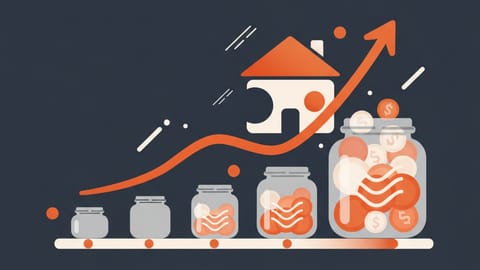
The Magic of Compound Interest: $500/Month for 30 Years
Compound interest turns $500/month into $1.13M over 30 years. The math, the historical S&P 500 returns, and the four leaks that destroy compounding.

The 50/30/20 Rule: A Budget That Actually Sticks
The 50/30/20 budget rule explained for real life. A step-by-step way to split your paycheck so you can save without hating the process.
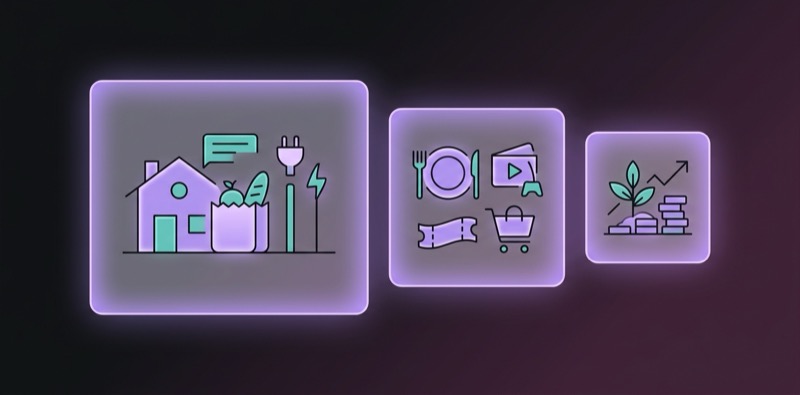
What is a Budget and Why It Changes Your Life
A budget is the plan that shows where your money goes each month. Why most people quit by month 2, the simple system that sticks, and how to start in 30 minutes.
ders-01-what-is-a-budget
A budget is a written plan showing where your money comes from and where it goes monthly. Two numbers do the job: monthly take-home income and projected monthly expenses.
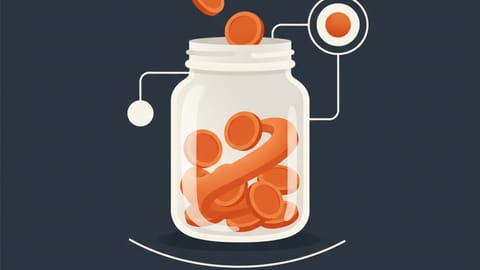
ders-02-income-and-expense-types
Cash flow has 8 categories. Three income types: active (salary), passive (rent, dividends), portfolio (capital gains). Three expense types: fixed, variable, discretionary.

ders-03-the-50-30-20-rule
The 50/30/20 rule splits your after-tax (take-home) income into three categories: 50% needs, 30% wants, 20% savings and debt payoff. One decision: is this expense need, want, or savings?
ders-04-needs-vs-wants
Need: required for survival, health, ability to work. Food (basic nutrition), shelter, transit, healthcare, basic clothing, minimum utility bills.
ders-05-why-saving-is-hard
Failing to save isn't a moral failing. Your brain plays 5 different tricks on you. Once you diagnose them, you can start beating them.

ders-06-your-first-savings-step
Rule one: don't start big. '$5,000/month savings' is 80% less sustainable than '$1,000 in account by month- end.' The first $1,000 builds the habit.